Jül/Jol – Yule – Breads and celebration
It is the midwinter solstice tonight (well officially the morning of the 22nd) the shortest day and longest night. It’s nice to think that the nights are getting longer once
There is a charm for almost everything. Whether it works is sometimes another matter entirely.
A troublesome cow, an aching tooth, a sudden misfortune, a difficult birth, an unwelcome visitor or simply the turning of the year. Scottish folk have no shortage of customs, charms and peculiar ways of setting things right. Some are beautiful, some wonderfully practical, and others are strange enough to leave us scratching our heads.
Beneath these practices we often find something rather remarkable. An understanding of the world built upon relationships between people, plants, animals, spirits, places and the powers moving amongst them. Everyday objects can become instruments of healing or protection, while ordinary actions carry meanings far beyond the task at hand.
Here, I explore Scotland’s folk magic and customary practices, drawing upon historical accounts, oral traditions, archival fragments and the occasional experiment in making things with my own hands.
I am interested in how these traditions work(ed), what people believe they are doing, and what their survival, transformation or disappearance might tell us. Not everything old deserves to be revived, of course, but much deserves to be understood.
Pull up a chair. There are knots to untangle, charms to examine and a good few curious things to discover.

It is the midwinter solstice tonight (well officially the morning of the 22nd) the shortest day and longest night. It’s nice to think that the nights are getting longer once

This is the Second part of the Lunastal Post. (Part one can be found here).

Island Spinning Song Hullamackadoo, hooravahee Hoorovahinda, hoorovahinda, Hullamackadoo, hooravahee, O dicko-o-deck-o-dandy When will someone come to me? Will he come by land or sea Will he my own lover be?
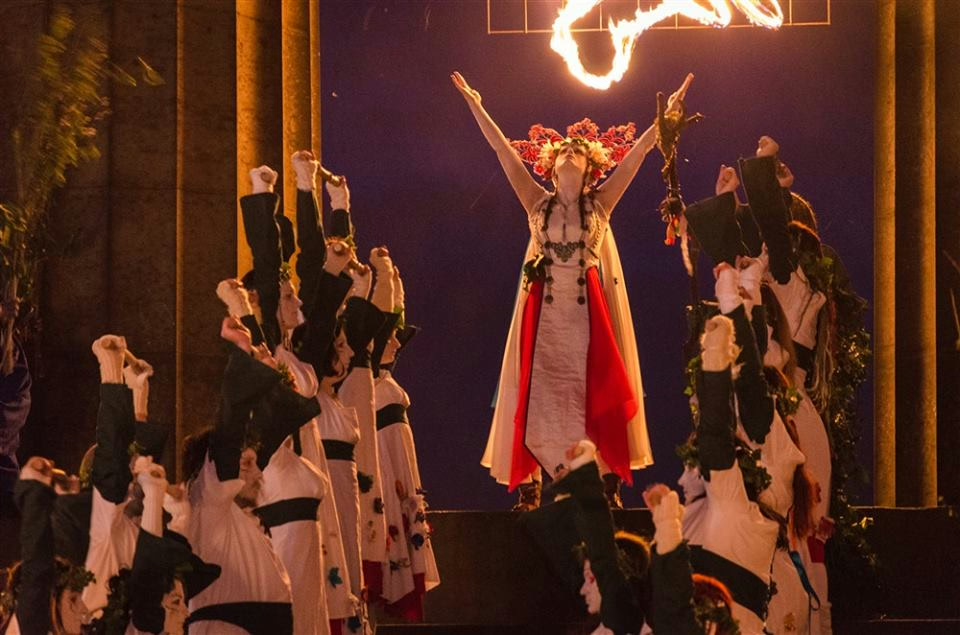
On first glance Bealtainn and May Day might not have very much in common. One a celebration and the other a political action but I don’t see them as different
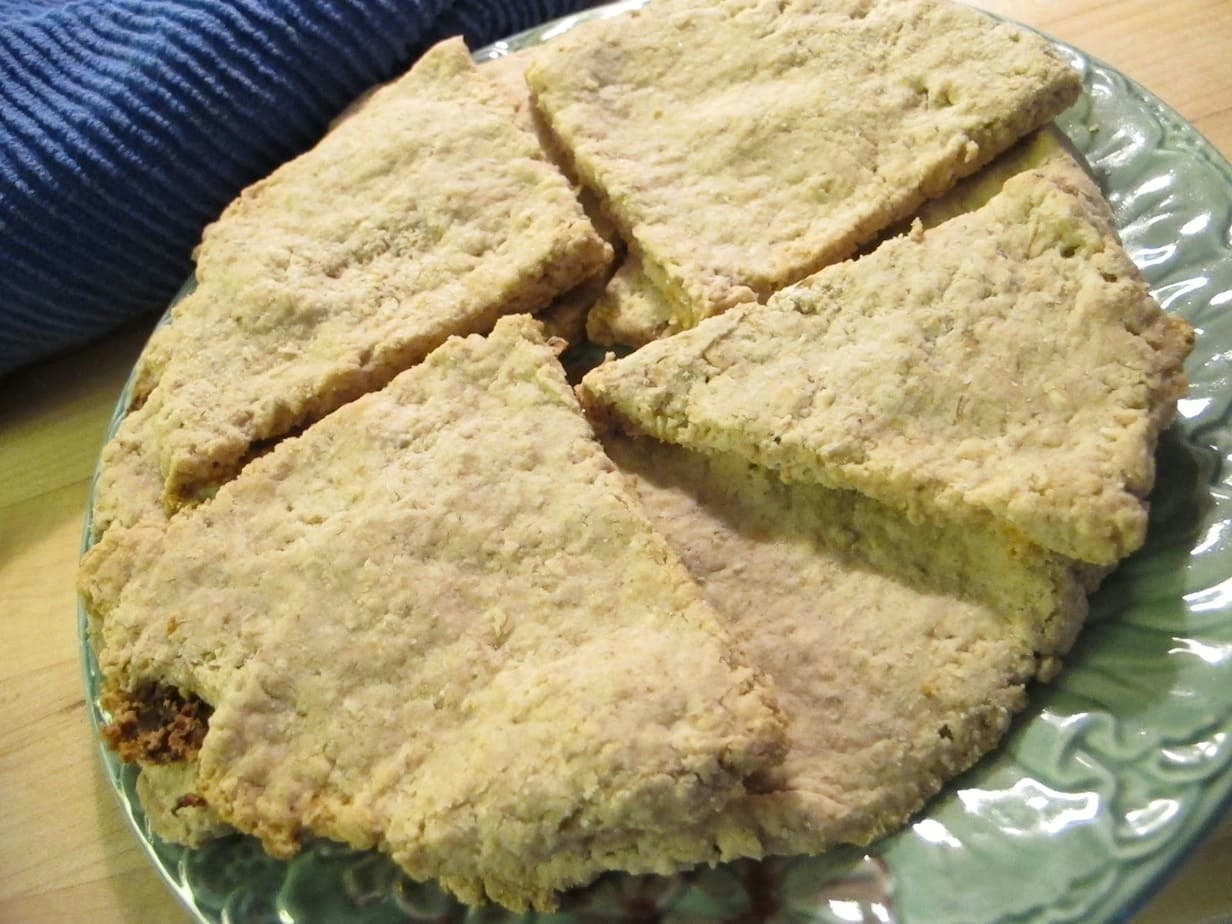
Traditionally a Bealltainn/Beltane/Beltuinn bannock (a ‘bannock’ is a whole oatcake, whilst a ‘farl’ is a quarter) is made and eaten on Beltane morning, to ensure the health of your crops