


Birth
The Sacred Circle of Home and Hearth
Our homes were round once – a sacred circle. Imagine. A home with no corners. A roundhouse. Folk say the Romans made houses rectangles and introduced the cross-cutting corners of
Our homes were round once – a sacred circle. Imagine. A home with no corners. A roundhouse. Folk say the Romans made houses rectangles and introduced the cross-cutting corners of

In Scottish cosmology, sacred waters such as our sea and rivers are more than elements; they are animated by their own spirits and present to us gateways to profound wisdom,

In the mountainous highlands and rugged borderlands of Scotland, the ancient belief in the evil eye, known as the “uncannie eye” or “ill eye” still lingers, casting a shadow over
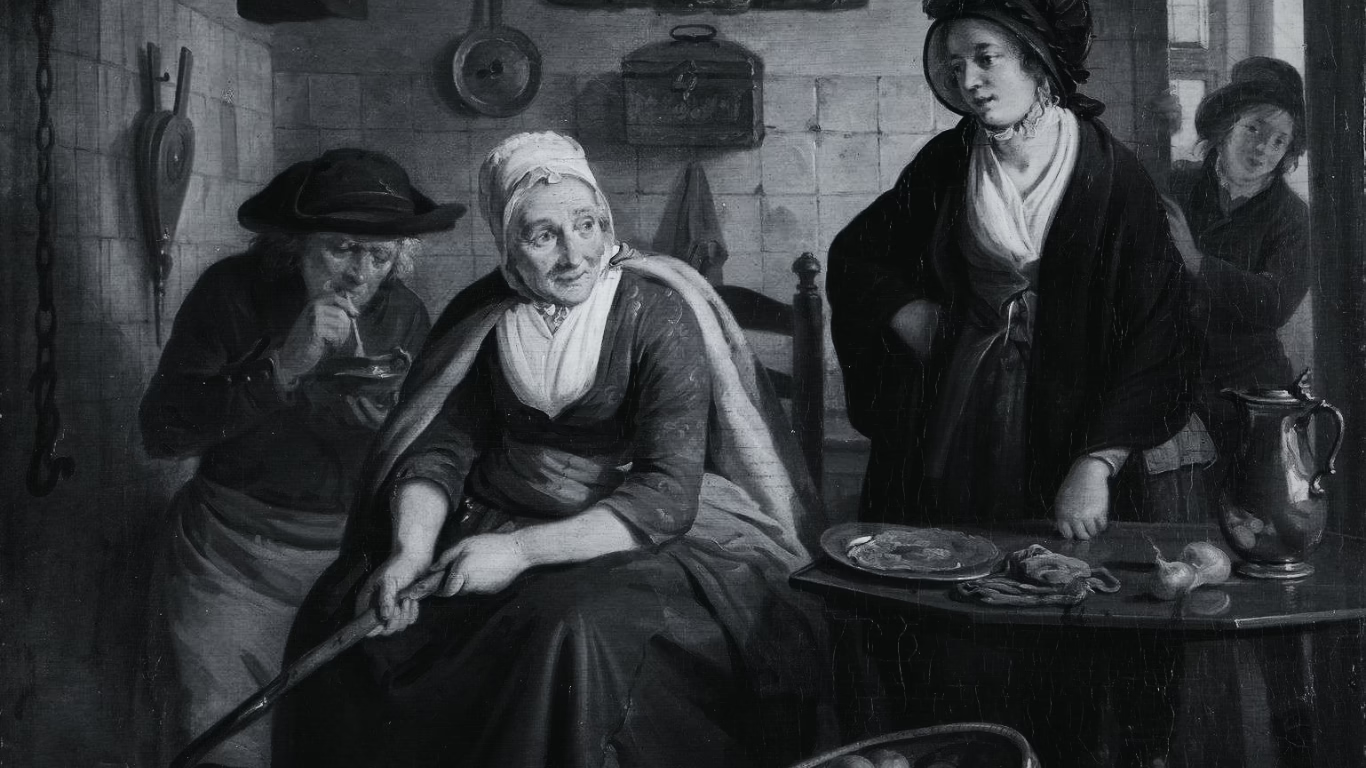
Fastern’s E’en or Fasterns Een is a festival in Scotland, held on the Tuesday before Lent, otherwise known as Shrove Tuesday. Fastern E’en comes from Scots. Fastern’s E’en is also

Scottish healing wells or stroopie wells hold a deep and long history. Stroopie comes from the Gaelic word tobar-shrùbaidh meaning healing well the last word shrùbaidh sounds like stroopie. We

Dàir na Coile is a fascinating tradition one we have very little written about. Dàir na coille I have come to love though. Its a counterpoint to consumerism – an

Marysmass, Mary’s mass, Féil-Moire (Mary’s day) the Big St Marys Feast or the Assumption day happens on the 15th of August. Personally, I think it’s a great example of the syncretic

There is a strong tradition of taking the waters or drawing the water from a sacred spring or clootie wells at certain times of the year, or for traditional charms

scapulimancy – Slinneanachd – Slinnairachd – divination by shoulder blade in Scottish Folk magic an exploration of the evidence and method.